

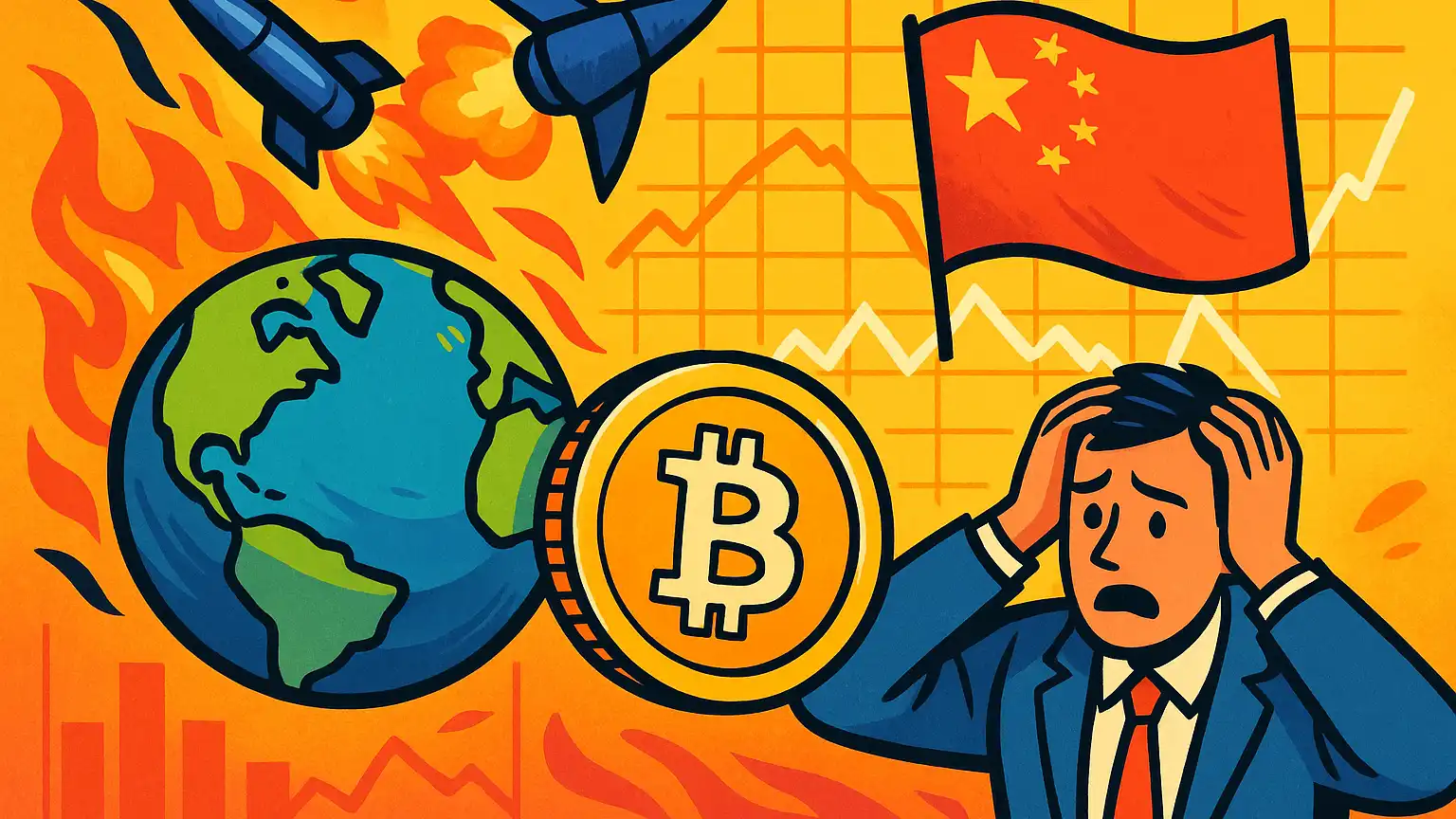
Geopolitical Escalations and Their Ripple Effects
The crypto market, much like its traditional finance counterpart, is often sensitive to geopolitical events, whose unforeseen developments can lead to surprising market movements. In recent months, global markets have been rocked by increased geopolitical stress, particularly concerning events in the Middle East and fluctuating oil prices. These developments have compounded existing economic challenges, sending ripples through financial systems worldwide. Cryptocurrency, often seen as a form of digital gold, is not isolated from these global events, and the reactions have been telling.
The Impact of Increased Oil Prices
The attack on Iran’s South Pars gas complex has been a pivotal moment, triggering a chain reaction with significant implications for oil prices worldwide. Brent crude surged by as much as 7% in one day, whereas West Texas Intermediate jumped by 4.2%. Such sharp fluctuations in oil prices usually translate into broader economic impacts, influencing inflation rates and leading to cautious outlooks from central banks. These rising energy costs exert additional pressure on industries, leading to increased production costs that may affect various markets, including cryptocurrencies.
Inflation Concerns Return to the Forefront
Another layer of complexity in this high-stakes scenario is the resurgence of inflation worries, as indicated by the higher-than-anticipated 3.4% year-on-year U.S. producer price index data. This surge signifies that inflation may not be as well-contained as previously thought, causing elevated concerns across financial communities. When inflationary pressures rise, investors often resort to inflation-hedging assets, and although cryptocurrencies like Bitcoin have been considered such assets, their recent behavior suggests a nuanced perspective. Bitcoin, and by extension, altcoins, feel the brunt when uncertainty looms large, challenging the narrative of cryptocurrencies as a secure haven in inflationary times.
Federal Reserve’s Cautious Tone
In the United States, the Federal Reserve has played a crucial role in shaping market sentiments with its cautious approach to interest rates. While maintaining interest rates steady, Fed Chair Jerome Powell issued cautious notes regarding rising energy prices, complicating efforts to stabilize inflation forecasts. The Fed’s stance led to heightened uncertainty, causing reluctance among investors and triggering substantial movements within the crypto market. Such dynamics underscore the interconnectedness of monetary policies and their cascading effects, not just on traditional markets but also on the burgeoning cryptocurrency domain.
Cryptocurrency Market Response
As the geopolitical and economic landscape remains tense, cryptocurrency markets have responded with notable volatility. Bitcoin, Ethereum, and other digital assets have seen significant fluctuations as they navigate these turbulent waters. Investor sentiment is concurrently swayed by institutional moves and retail reactions, further stirring the market environment.
Bitcoin’s Resilience Amidst Volatility
Bitcoin began its vulnerability test when it shed over $5,000 at one point ahead of the Federal Reserve’s meeting, showcasing considerable volatility. Despite initial panic-inducing dips, Bitcoin showed resilience, recovering slightly post-announcement. However, the pressure remains, with ongoing whale movements signaling potential selling cycles. Through on-chain data, it’s evident that accumulation persists; nevertheless, large withdrawals hint at a tug-of-war between institutional buying and potential market sell-offs. Such scenarios appeal to market analysts, generating discussions around Bitcoin’s ability to uphold its role as a digital value store amidst tumultuous times.
Ethereum’s Market Dynamics
Ethereum mirrors Bitcoin’s volatility patterns but has specific intrinsic dynamics due to its role as a blockchain platform supporting large numbers of decentralized applications and smart contracts. Ethereum experienced heightened volatility but rebounded impressively within a week, illustrating the speculative nature of the market. Ethereum’s ability to attract developer activity despite market downturns is critical, achieving more than mere direct price recovery. This underscores its foundational status in the crypto ecosystem and suggests long-term optimism despite short-term adversities.
Institutional Strategies and Spot ETFs
Institutional engagement remains a defining characteristic of this volatile period. U.S. spot Bitcoin ETFs have experienced net inflows, illustrating a demand that contradicts declining prices. Such trends suggest an underlying belief in Bitcoin’s long-term value proposition, even as short-term movements indicate skepticism. This strategic positioning by institutions is vital, as such players now possess significant sway over market dynamics, reflecting confidence in future growth trajectories despite current downturns and reminding retail investors of the market’s unpredictable nature.
Conclusion
Navigating the cryptocurrency market amid geopolitical tensions and inflationary pressures requires nuanced understanding and cautious strategizing. While digital assets provide opportunities for growth and hedge against traditional financial disruptions, the intricacies born from external socio-economic events compel investors to remain vigilant. As markets continue to grapple with geopolitical instabilities and economic policy responses, risks and opportunities await those keen enough to decipher the prevailing narratives and adapt accordingly. The future landscape of cryptocurrencies, though complex, holds the potential for resilience and innovation as stakeholders steer through these challenging times.