
The Crisis and Its Ripple Effect
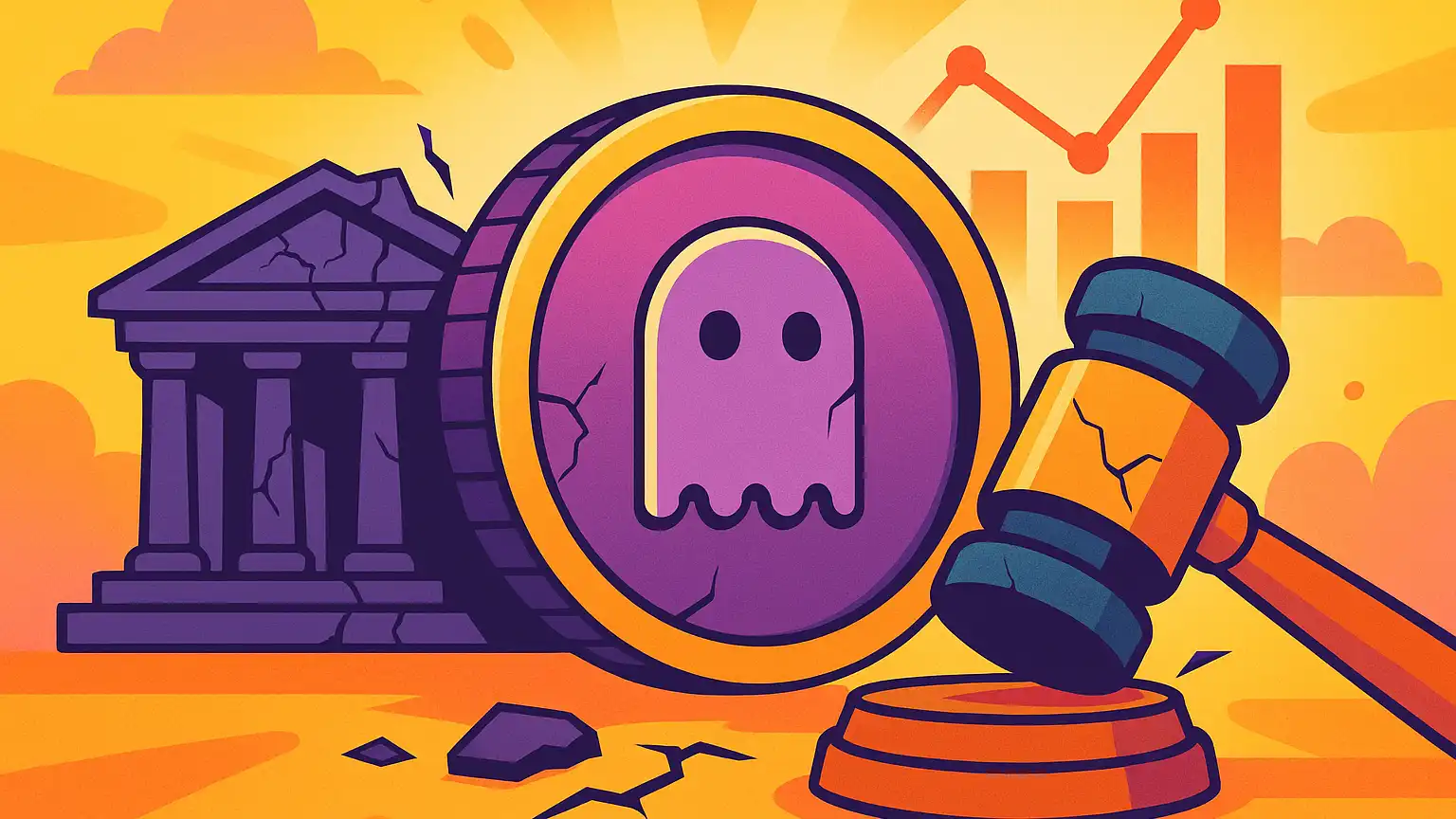
In December 2025, Aave faced a significant challenge that sent ripples through the cryptocurrency market. The tumult arose when a dispute emerged between Aave’s decentralized autonomous organization (DAO) and its core development team, Aave Labs. The crux of the issue concerned the routing of revenue from a new CoW Swap integration. Until that point, associated swap fees were expected to benefit token holders directly. However, it was discovered that these fees instead flowed to a wallet controlled by Aave Labs. The revelation catalyzed a heated debate over the distribution of revenue and the control of Aave’s key assets, including its brand and intellectual properties.
This unfolding drama quickly unhinged investor confidence. Market participants speculated on long-term repercussions, and AAVE’s market value took a considerable hit, plummeting by nearly $500 million. Despite the immediate appearance of vulnerability, Aave’s underlying metrics, like protocol deposits and revenue figures, remained robust, highlighting a paradox where fundamental strengths were overshadowed by governance tensions.
A Decentralized Governance Dilemma
The core of the dilemma faced by Aave was the decentralization ideal versus practical control. Historically, Aave promoted a fully decentralized governance model, empowering the community through the DAO structure. Yet, the incident underlined a significant challenge: aligning incentives between the development team and the community. Aave Labs justified their capture of swap fees as legitimate returns from an independently funded product, complicating community expectations of revenue sharing.
This governance quarrel drew the market’s attention, peaking as it shouldered broader ethical questions about decentralized finance’s direction. Some stakeholders argued that the Aave Labs’ approach undermined the very ethos of decentralization by concentrating control, while others contended that securing revenue streams for development was essential to sustain innovation and competitiveness in an evolving crypto landscape.
Outcomes and Investor Sentiment
Despite the tumultuous narrative, inspection of on-chain activity revealed an intriguing counter-movement. Larger AAVE holders, often termed ‘whales’, seemed to acknowledge a buying opportunity amidst the chaos. Between the initial discovery and subsequent debates, the top 100 AAVE holders increased their ownership markedly, suggesting faith in Aave’s enduring prospects.
By early 2026, indicators suggested a changing tide in sentiment. Aave Labs’ decision to open dialogues about sharing off-core protocol revenues with the community injected a sense of cautious optimism. The stabilization of AAVE’s market price followed as both minor and major investors recalibrated their stances, reflecting guarded anticipation instead of panic.
The Path Forward: Opportunities and Challenges
Moving beyond the immediate market reactions, the intricacies of Aave’s internal conflict offer a microcosm of the broader challenges facing decentralized finance. Aave’s roadmap for 2026, highlighted by an ambitious drive for asset diversity and expanded user access, presents a vision for growth if managed effectively. The open question remains: Can Aave and similar protocols forge a governance model that reconciles innovation, equity, and decentralization?
This period serves as both a cautionary tale and an informative guidepost for emerging protocols. It underscores the necessity of transparent communication channels and equitable decision-making processes within DAOs. As DeFi continues to mature, balancing autonomy with strategic oversight will remain pivotal in securing investor trust and fostering ecosystem resilience.
The Role of Large Investors in Stabilizing Markets
The dynamics observed during the Aave crisis highlight the critical role of large stakeholders in shaping crypto market trajectories. Their actions during periods of volatility often provide a reinforcing stabilizing effect. By interpreting on-chain data trends, such stakeholders can strategically accumulate against broader market sentiment, thereby eventually correcting the valuation disparities introduced by panic selling.
However, this mechanism also raises questions about decentralized fairness. While whales can cushion market impacts, it could also skew power dynamics, favoring those with substantial holdings. Thus, the Aave incident also sparks dialogue on how decentralized platforms can ensure truly democratic and balanced participation in governance and decision-making.
Reflecting on the Lessons Learned
In reflecting on Aave’s turmoil, it becomes apparent that the incident holds significant learning potential for the cryptocurrency domain. The need for robust governance frameworks that can adapt and weather internal disputes without jeopardizing protocol integrity is paramount. As Aave embarks on its journey towards its 2026 aspirations, it stands as both a pioneer and a cautionary beacon in DeFi’s ongoing evolution.
Ultimately, the incident underscores the essence of transparency, trust, and responsible stewardship in navigating the complexities of decentralized finance. By introspecting and evolving from these challenges, Aave and similar platforms can fortify their positions as transformative forces within the broader financial ecosystem. In doing so, they take a step closer to realizing the ideal of an inclusive and equitable financial frontier.