

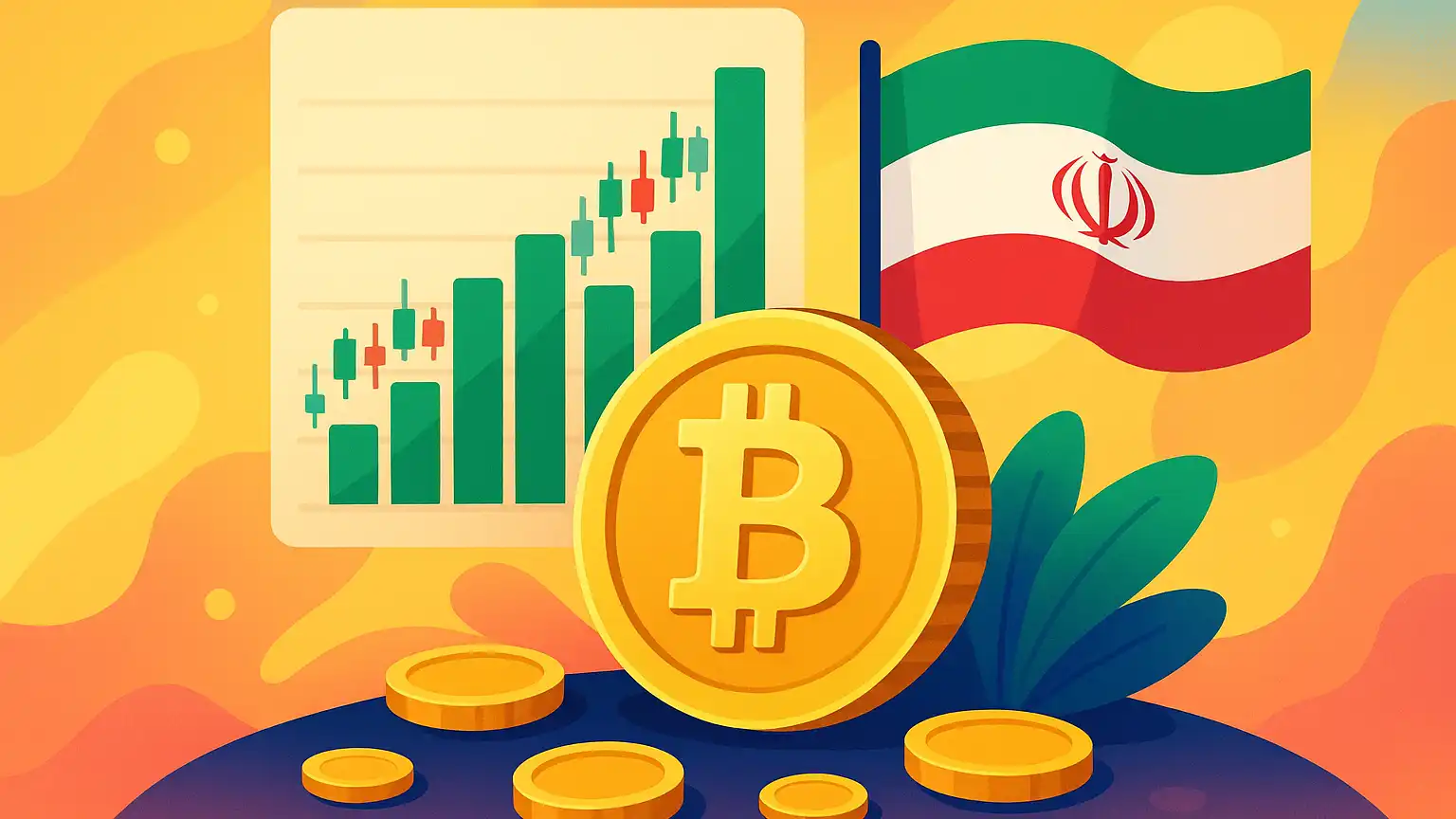
The Rapid Expansion of Iran’s Crypto market in 2025
In a recent report by Chainalysis, Iran’s cryptocurrency ecosystem has exhibited remarkable growth, reaching a total activity of more than $7.78 billion in 2025. This expansion reflects the increasing reliance on digital currencies in the face of severe political turmoil and economic hardship. Over the year, cryptocurrency transactions in Iran grew at a faster pace compared to 2024, despite facing immense challenges such as international sanctions, rampant inflation, and an increasingly volatile political landscape.
Resilience Against Political and Economic Strain
Iran’s mounting economic difficulties, paralleled by significant political unrest and international pressure, have made cryptocurrencies an attractive alternative for financial transactions. The Rial has depreciated significantly, and inflation rates hover between 40-50%, elevating cryptocurrencies as a refuge and a tool for capital preservation. The growing acceptance and implementation of digital currencies seem to highlight a shift towards decentralized finance as Iranians navigate the economic turbulence impacting everyday life.
Digital Currency Adoption in Times of Crisis
The report highlights how cryptocurrency activity spikes coincide with periods of heightened instability. During the Kerman bombings in January 2024 and the subsequent geopolitical tensions, there was a noted increase in crypto transactions. These patterns suggest that during crises, Iranians increasingly depend on cryptocurrencies not only as a mechanism for financial stability but also as a medium for circumventing international financial barriers imposed by sanctions.
An Influx of On-chain Transactions
With rapid urbanization and technological adaptation, Iran has seen increased participation in cryptocurrency networks, particularly during periods of unrest. The report notes notable increases in transaction volumes and transfers to personal wallets, reflecting a growing perception of cryptocurrencies as secure self-custody options. Such activities underline the desire for independence from centralized financial institutions and the pursuit of personal financial sovereignty.
Geopolitics and Crypto Dynamics
Chainalysis’ insights shed light on the intricate relationship between Iran’s geopolitical climate and its crypto activities. The report identifies episodes where political developments directly drive crypto market fluctuations, emphasizing the intertwined nature of global politics and digital assets. Iran has demonstrated a strategic pivot, with cryptocurrencies serving as both a financial lifeline and a tool for circumventing traditional financial embargoes.
The Impact of Sanctions and Military Actions
The ongoing geopolitical tensions have positioned cryptocurrencies centrally in Iran’s economic strategies. Military actions and subsequent sanctions exacerbate the economic pressure on Iran, leading to increased crypto adoption as an economic lifeboat. Crypto transactions provide a vehicle for circumventing sanctions, facilitating international trade that is otherwise hampered by political barriers. This use-case highlights how geopolitical circumstances can fuel the integration of digital assets as countries seek alternatives amidst financial isolation.
Shifts in Economic Behavior
While the Iranian government looks for ways to control and monitor economic flows, many citizens have turned to cryptocurrencies as a protest against monetary constraints and as a method of retaining wealth under a depreciating currency. The report observes changes in patterns of economic behavior, with citizens increasingly using cryptocurrencies for saving and transactions, effectively insulating themselves from domestic economic failures. This shift marks a significant transformation in how Iranians interact with money, spurring broader implications for the role of blockchain technology in future financial systems.
Global Implications of Iran’s Crypto Growth
Iran’s growing crypto presence poses questions for the international community, particularly in regions where cryptocurrencies are regulated to hinder their use as a financial loophole. The evident inflation of crypto activities reflects not only the adaptability and resilience of the digital economy but prompts a reevaluation of global strategies toward economic sanctions. As more nations seek to understand and navigate the ramifications of decentralized finance, Iran’s case provides critical learning points on leveraging digital currency ecosystems amidst international pressures.
Looking Ahead: The Future of Cryptocurrencies in Iran
As Iran continues to grapple with complex political and economic challenges, the future of its cryptocurrency ecosystem remains pivotal. The growing crypto market underscores an evolving narrative around financial agency and innovation amidst hardship. Moving forward, the sustained growth and potential regulatory changes could shape not just the national economic landscape but contribute to broader global discussions about the ramifications of decentralized finance systems in restrictive economic environments.