

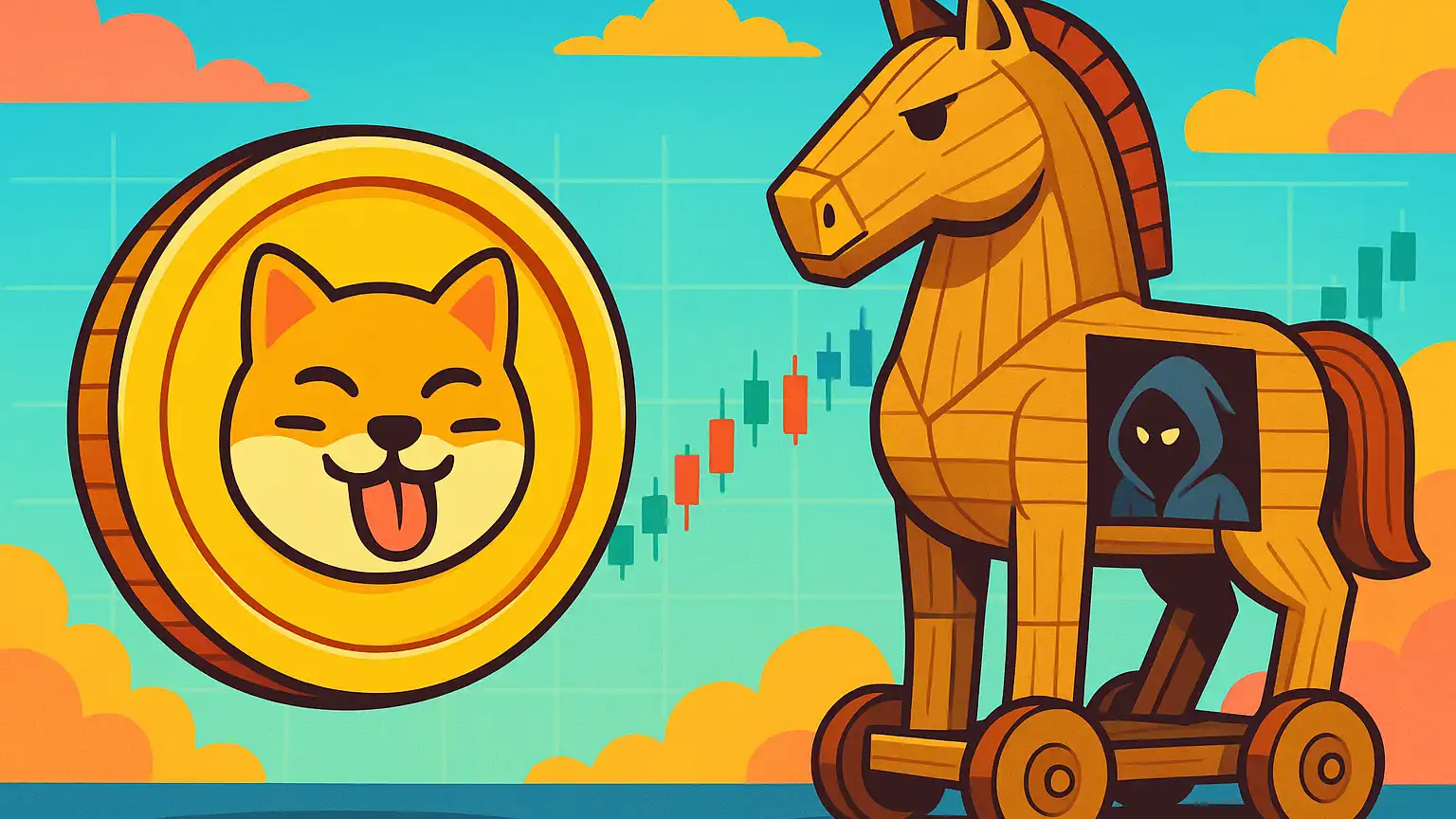
Unraveling the LICK Token Controversy
The cryptocurrency community is buzzing with the latest revelations about the LICK token, a meme coin launched on the Solana-based platform Pump.fun. On the surface, LICK appears to be another playful foray into the ever-expanding world of meme coins. However, the coin’s origins have stirred up deeper concerns, particularly around the involvement of John Daghita, a figure notorious for his alleged financial crimes against the US government. What was designed to be a lighthearted token is now under intense scrutiny as allegations of theft, crypto manipulation, and links to prior criminal activity surface.
Blockchain Analysis and Centralization Fears
The right blend of enthusiasm and skepticism drives any blockchain project, yet LICK’s launch has notably tipped the scales towards the latter. Blockchain analytics platform Bubblemaps has sounded the alarm, emphasizing the significant risk LICK presents by being heavily centralized. A single wallet allegedly linked to Daghita is reported to control a staggering 40% of the coin’s total supply. This concentration raises valid fears over the potential for market manipulation and investor exploitation, casting a shadow over what many hoped would be a fun community-driven project.
The Role of Pump.fun and Market Impact
Pump.fun, known for hosting quirky and innovative meme tokens, is now in the spotlight for hosting LICK’s launch. The irony of the platform’s name is not lost amid the circumstances, as market participants worry about the potential for ‘pumping’ schemes. While meme coins are inherently risky, knowing the creator’s controversial track record adds a critical layer of risk. Investors must now weigh their excitement for meme coins against the backdrop of possible ethical and financial misconduct linked to this project.
Community Reaction and Official Responses
The reaction from the crypto community has been swift and vocal. Across various forums and social media channels, users are dissecting the available blockchain data and calling for transparency and accountability. Additionally, they are pushing for intervention from authorities to investigate the coin’s legitimacy. These voices are echoed by broader discussions about regulation in the crypto space, suggesting that the LICK incident may act as a catalyst for governmental bodies to reconsider their stance on cryptocurrency oversight.
A Link to High-Profile Crypto Investigations
LICK’s unveiling has inadvertently reopened chapters from crypto’s notorious past, with implications stretching back to other significant on-chain theft incidents. On-chain investigator ZachXBT has meticulously traced LICK’s creation to wallets involved in suspected high-value theft operations, including one wallet tied to large US government seizure addresses. This sordid connection is not just an alarming revelation; it compounds the narrative of LICK as potentially more than a simple meme token.
The Surveillance Footage Revelation
Detailed findings from ZachXBT highlight a bizarre cybercrime spectacle captured through leaked surveillance footage. The footage displays “John” flaunting his prowess in fund movement across multiple wallets, adding to his cybernetic notoriety. This scene paints a vivid picture of the undercurrents in crypto crime networks, where wealth display becomes a ritual and digital paper trails expose damning truths. Identifying such wallets post-incident underscores the importance of blockchain transparency in uncovering clandestine activities.
Connecting the Dots: John Daghita and His Alleged Web of Intrigue
The web of intrigue widens with further ties to the notorious 2016 Bitfinex hack. ZachXBT delves deeper, tracing funds from addresses allegedly controlled by Daghita to this infamous crypto heist. Adding fuel to the fire, these findings juxtapose illicit activities with legal gray areas, implicating known figures in past crimes. Public interest pivots on the possibility of legal repercussions and restitution for affected parties, elevating the LICK controversy from mere scandal to potentially significant legal proceedings.
Rumors of Access to Seized Assets
Complicating matters further are rumors that John’s familial connections could explain his access to seized assets via legal contracts related to forfeited crypto management. While speculative, these accounts underscore ongoing discussions about insider manipulation and the integrity of current crypto asset administration processes. Such narratives fuel broader regulatory debates, amplifying calls for stricter controls in managing and auditing crypto assets in government custody.
The Broader Implications
The LICK token’s intriguing yet controversial trajectory spotlights critical issues in the cryptocurrency landscape. Its launch compels investors and regulators alike to reconsider approaches towards transparency, centralization, and the governance of digital assets. Furthermore, it underscores the role of investigative efforts in ensuring crypto accountability. As this narrative unfolds, it may very well influence future regulatory action, acting as a bellwether for the challenges and advancements awaiting the cryptocurrency industry.
Navigating the Future
As the crypto community grapples with LICK’s implications, the path forward remains uncertain. Will this controversy shift the regulatory tide, or serve as a cautionary tale for future meme projects? Perhaps it will catalyze the development of more robust and transparent blockchain systems. Regardless, the case of LICK serves as a vivid reminder of the juxtaposition of innovation and risk within the digital currency domain, highlighting the perpetual balance that must be struck to foster a safe and fair crypto ecosystem.