

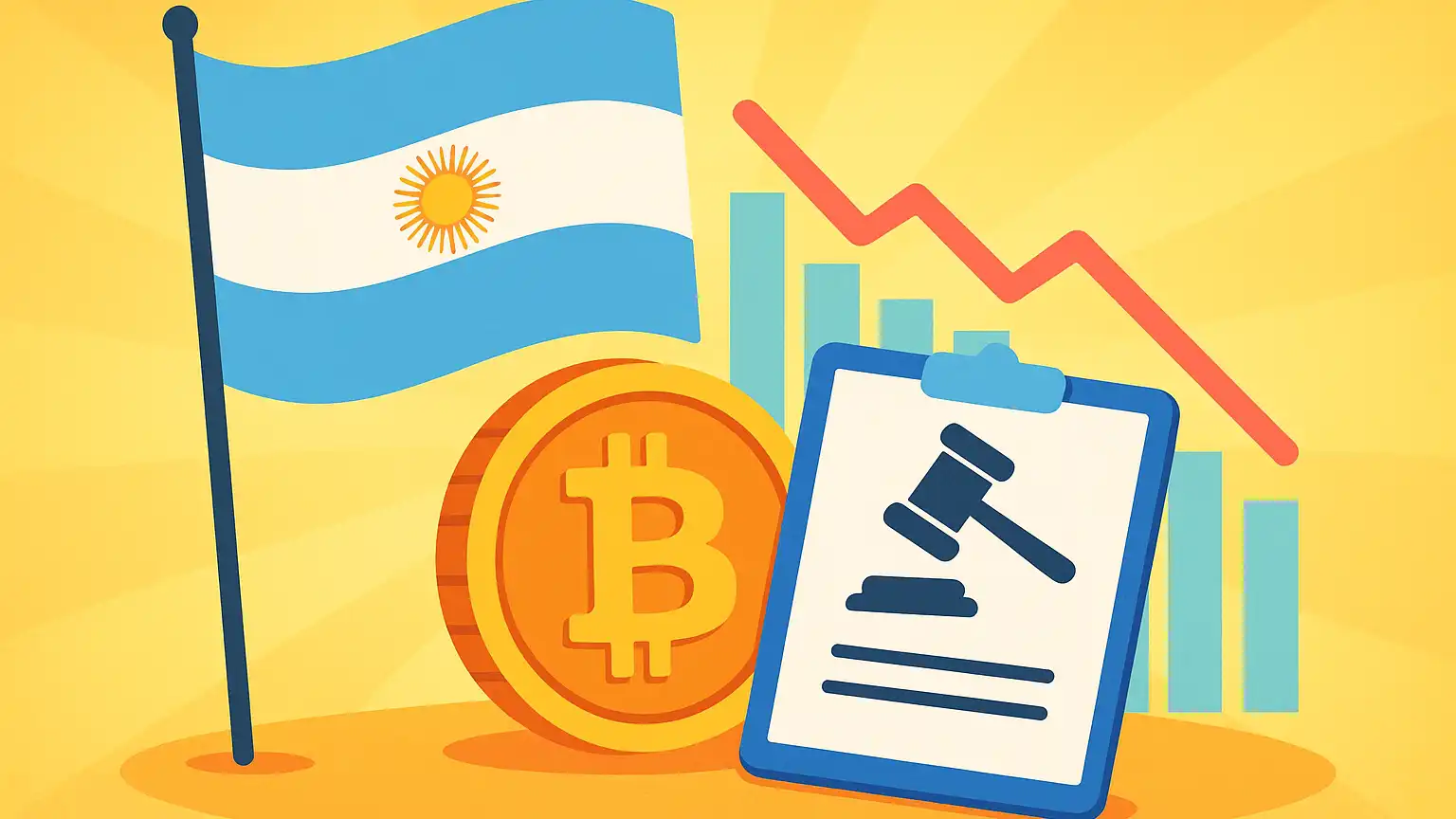
Argentina’s Legal Clash with Polymarket
Argentina has taken a significant step in its regulatory approach towards cryptocurrency platforms with the recent nationwide blockade of the prediction market service, Polymarket. A Buenos Aires court deemed Polymarket to be an unauthorized betting service, prompting Judge Susana Parada to mandate restrictions on access across the country. This ruling not only highlights Argentina’s stringent approach to gambling and betting services but also underscores a broader international scrutiny of prediction market platforms operating in the cryptocurrency space. The authorities instructed Google and Apple to restrict access to the application on their platforms, marking a pivotal moment in the oversight of digital financial services in Argentina.
The Role of Regulatory Oversight
The Argentine decision was preceded by a comprehensive investigation led by Prosecutor Juan Rozas, pointing towards inadequacies in Polymarket’s compliance with local gambling laws. A critical aspect of this investigation was the ease with which users could participate on Polymarket, including the lack of identity and age verification checks. Such lax measures raised concerns about minor participation and flagged the platform’s operations as a potential public risk. In an era where digital operations often surpass traditional regulatory frameworks, the Argentine response serves as a reminder of the critical balance between innovation and regulatory compliance.
Pervasive International Concerns
Argentina’s move against Polymarket is not isolated but part of a rising trend where countries worldwide scrutinize and often penalize such platforms. Allegations center around their unlicensed status and failure to implement necessary controls typical of regulated financial services. Countries like France, Germany, Italy, and Singapore have undertaken similar crackdowns. This collective regulatory pressure reflects a global intention to safeguard consumers from platforms that might operate beyond the purview of national laws. As the intricacies of prediction markets meet the broader world of betting, the lines of permissible operations continue to blur, demanding ever-vigilant oversight.
Implications of Cryptocurrency on Traditional Markets
The case against Polymarket also highlighted another significant issue—the potential misuse of cryptocurrency platforms in manipulating market activities, as observed during Argentina’s February inflation data release. The platform recorded an unusual spike in trading volumes on inflation prediction markets shortly before official figures were published, stirring speculations of possible data leaks. Such events raise poignant questions about the potential for crypto-based platforms to disrupt traditional economic readings and whether their quasi-legal status poses risks to market integrity.
Broader Concerns on Data Integrity
Instances where sensitive economic data seemingly impacts prediction markets ahead of public announcements illustrate the tangible impacts of crypto platforms on financial environments. Such scenarios augment the push for stricter regulation, with governments wary of how these platforms might unintentionally facilitate insider trading or broader economic disruption. The entwinement of digital currencies and traditional financial data demands new regulatory frameworks that account for both the innovative edge of cryptocurrency and the safeguarding of established market structures.
The Reflection of Global Security Concerns
In a significant aside, recent developments in Israel where individuals faced charges for exploiting classified military data to place bets on prediction markets highlight another dimension of these platforms’ reach. Such incidents signify the spectrum of risks that crypto prediction markets embody—from economic instability to national security threats. The Israeli investigation indicates the extent to which prediction platforms have both penetrated societal operations and challenged existing legal frameworks. These cases contribute to a growing narrative around the necessity of integrated and international regulatory collaborations.
The Path Forward in Crypto Regulation
The restrictions on Polymarket in Argentina reveal more than just a local regulatory action—they signify an evolving landscape of how countries perceive and manage the growing influence of cryptocurrencies. As governments continue to grapple with these digital realities, regulatory bodies face the challenge of implementing frameworks that not only protect consumers but also nurture innovation. Moving forward, attention must focus on crafting laws that appreciate the nuances of digital business practices while fostering a secure, transparent, and adaptable economic environment.