

The Implosion of an AI-Themed Meme Coin
In the fast-paced world of cryptocurrency, meme coins have emerged as both a fascinating social experiment and a sometimes lucrative investment. However, the rapid ascent and precipitous drop of the AI-themed meme coin, RALPH, highlights the volatile nature and inherent risks associated with this type of digital asset. The coin, inspired by the viral “Ralph Wiggum” trend, witnessed a dramatic collapse after it was reported that a developer-associated wallet conducted a massive sell-off, leading to panic and instability in the market. The situation raises critical questions about trust, transparency, and the responsibilities of coin developers in an ecosystem driven by speculation and community narratives.
The Sell-Off That Triggered Chaos
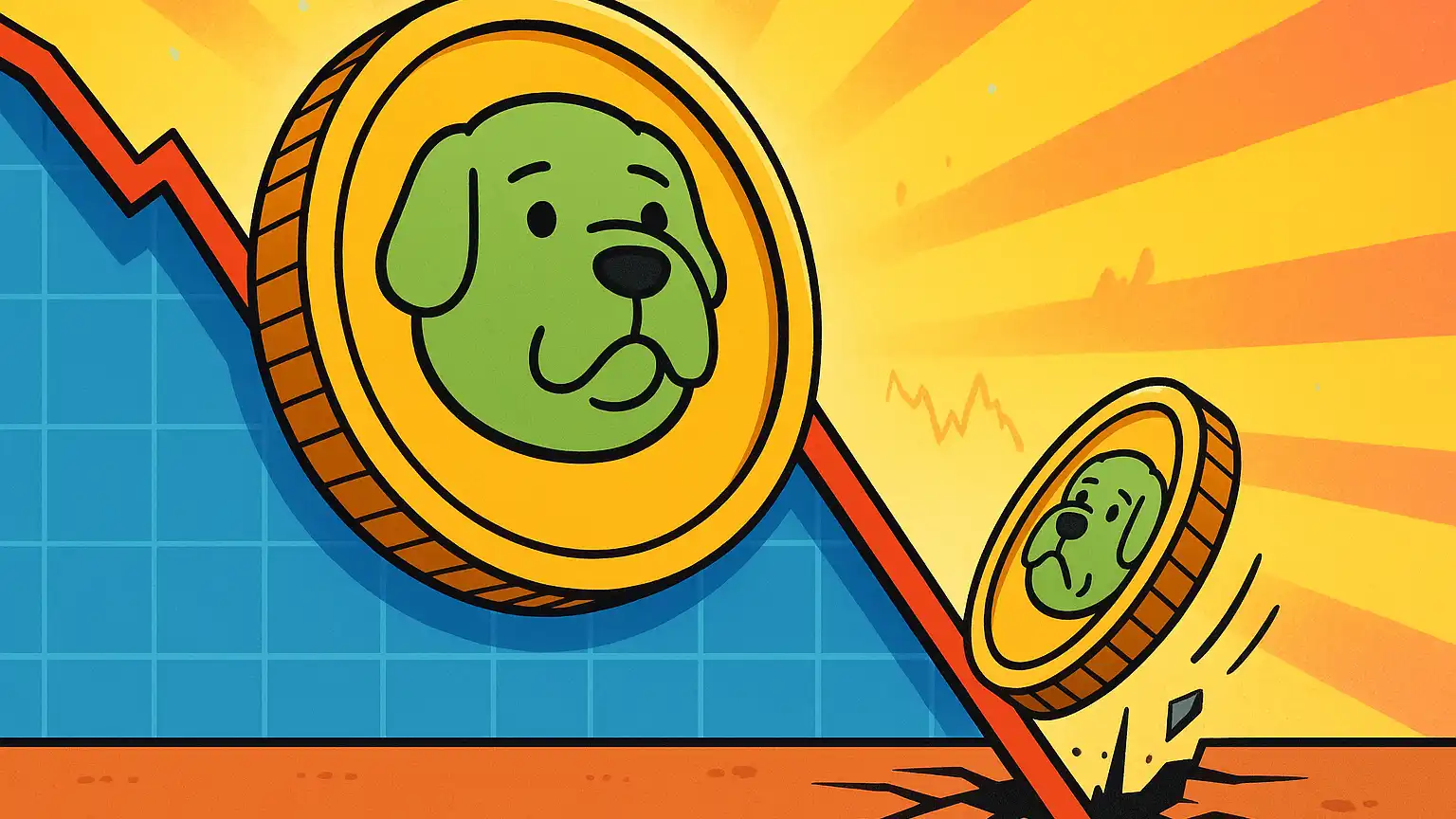
The intense sell-off began when on-chain analytics revealed a wallet linked to developer Geoffrey Huntley offloaded approximately $300,000 worth of RALPH tokens in a remarkably short time frame. This move sent shockwaves through the community, resulting in the coin’s value plummeting by nearly 80% during the most intense period of selling. Such a drastic price movement, catalyzed by a single major transaction, underscored the fragility of meme coins, particularly those reliant on thin liquidity and limited market capitalization. The incident brought into focus the delicate balance developers must maintain between personal financial interests and their responsibilities to coin holders.
Community Trust and Developer Accountability
In the wake of the sell-off, discourse in online forums and social media exploded, with many community members feeling betrayed by the sudden exit. Critics accused the developer of undermining investor confidence by not adding liquidity or exploring more gradual exit strategies. Huntley, for his part, defended the action as a necessary “de-risking” step, suggesting that the alternative—over-the-counter deals—would have significantly affected pricing and potentially sparked similar volatility. Despite his transparent admission, the episode illustrates the significant challenges developers face in maintaining community trust, especially in the context of meme coins whose value is often purely speculative and sentiment-driven.
The Wider Meme Coin Phenomenon
The RALPH controversy is not an isolated case but part of a larger narrative involving the rise of meme coins created from viral internet content. These coins often capitalize on humor, cultural moments, or trends to draw attention and investment. Yet, the success of these projects hinges not only on their cultural relevance but also on the stewardship shown by their developers and the strength of their underlying communities. Incidents like the RALPH sell-off highlight the risk for investors betting on these coins, where even the most negligible actions by a developer can lead to substantial capital loss.
RALPH’s Post-Collapse Environment and Market Impact
Following the dramatic sell-off, the price of RALPH settled near $0.0054, marking a significant downturn from its all-time high. Such rapid value erosion is not uncommon in the meme coin sector, where market sentiment can swing at the drop of a hat. The RALPH case serves as a poignant reminder of the volatility inherent in cryptocurrencies, especially those devoid of tangible utility or intrinsic value. While the token still maintains a presence in the market, its trajectory underscores the potential for swift and brutal market corrections, reinforcing warnings issued by high-profile figures such as Binance co-founder Changpeng “CZ” Zhao, who cautioned against investing in coins born from jokes or memes.
Learning from the RALPH Incident
For investors, the lessons from the RALPH incident are clear: due diligence and a thorough understanding of developer intentions are paramount when engaging with meme coins. Without a grasp of a coin’s underlying dynamics and the motivations of its key players, investors leave themselves vulnerable to abrupt and damaging volatility. Furthermore, the need for a more transparent and communicative approach within these coin markets is starkly apparent. Developer actions should prioritize community interests, and platforms hosting these coins might need to implement more robust safeguards to protect investors from unanticipated market manipulations.
The Future of Meme Coins
The future landscape of meme coins will likely evolve in response to growing scrutiny and a push for better self-regulation within the crypto industry. While some may see the RALPH debacle as a cautionary tale against meme coins, others might view it as an opportunity to innovate and establish standards that ensure more stability and trustworthiness in the sector. As the crypto space continues to mature, participants in the meme coin niche will need to adapt, balancing creative expression with accountability and market integrity.
Conclusion
The RALPH episode serves as a stark illustration of the potential pitfalls in the meme coin market, shedding light on the quick rise and fall these coins can experience. It emphasizes the importance of transparency and trust within the cryptocurrency ecosystem. Investors and developers alike must navigate these waters with caution, armed with insights from past events, to ensure the longevity and health of both existing and future meme coin projects.